Brake squeal is one of the most common noises drivers ask about, and it can mean a few different things. Sometimes it is a built-in warning from the pads. Other times, it is dust, glazing, or hardware that is not moving the way it should. The tricky part is that the squeal can show up even when the brakes still feel strong, so people delay it until it turns into grinding.
The safest approach is to treat any squeal as a reason to inspect, not a reason to guess. A quick check can confirm whether you are close to the wear limit or dealing with something that can be cleaned and corrected.
Why Brakes Squeal In The First Place
Squeal happens when the pad and rotor vibrate at a frequency you can hear. That vibration can be caused by friction material, pad design, or parts that are slightly loose or sticking. Brakes are supposed to clamp and release smoothly. When something interrupts that, noise is often the first symptom.
Cold mornings can make squeal worse because moisture can create a light film on the rotors overnight. The first few stops scrape it off, and the noise may disappear. If the squeal is only the first thing in the morning and then it goes away, it may be harmless. If it is happening consistently, it is worth checking.
Worn Pads And Wear Indicators
Many pads have a small metal tab called a wear indicator. When the pad gets thin, that tab contacts the rotor and creates a squeal to warn you. This is often a steady squeal that gets worse over time. If you ignore it long enough, the pad material can run out, and you will hear grinding instead, which usually means the rotors are getting damaged.
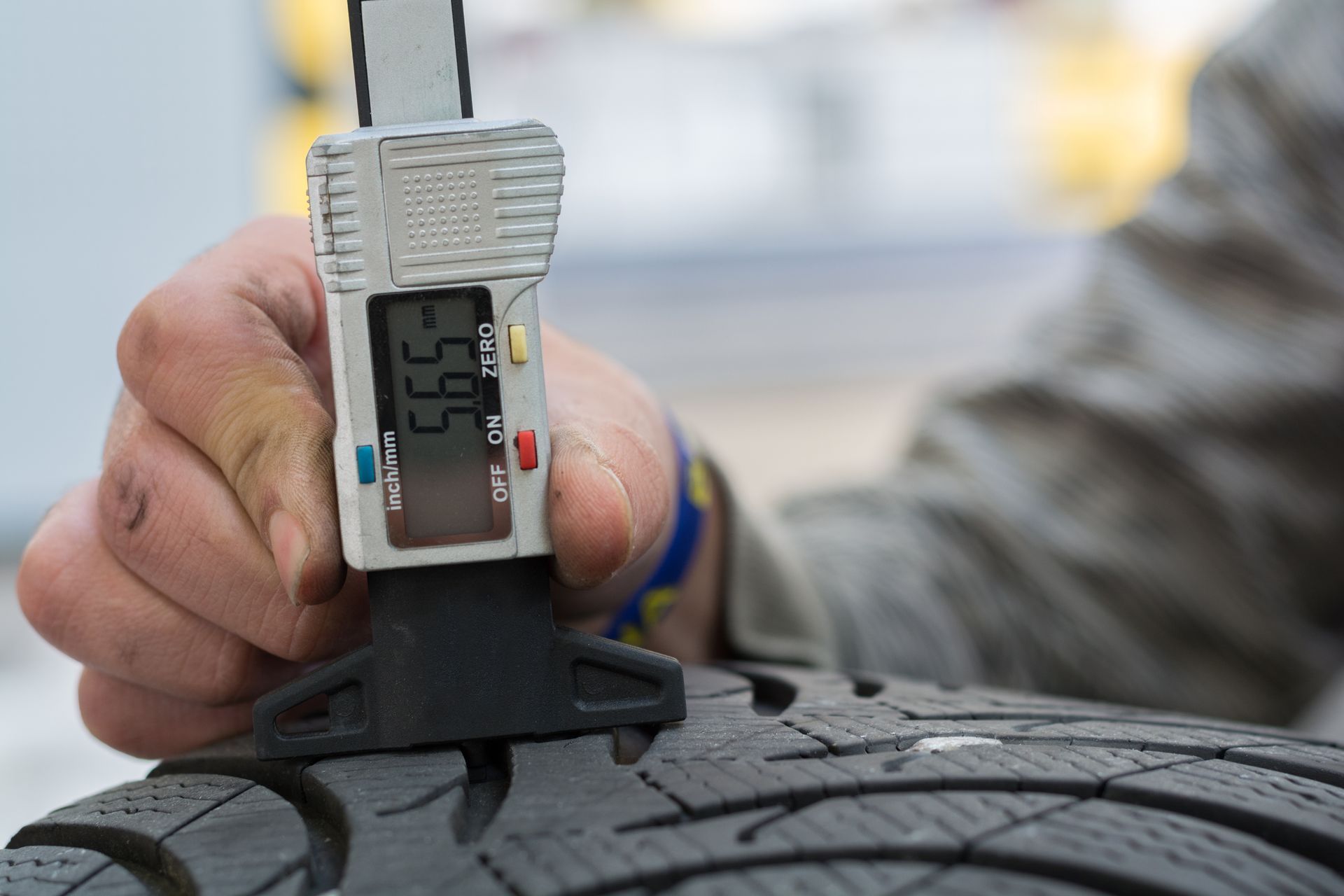
A quick inspection can measure pad thickness and confirm whether the noise is the wear tab. This is one of those moments where early action saves money, because replacing pads before they grind typically keeps the repair simpler.
Brake Dust And Glazing
Brake dust can build up and create squeal, especially on certain pad compounds. You may notice it more after city driving with lots of stops. Glazing is another common cause. If brakes get overheated, the pad surface can harden and become slick, which can create squeal and reduce bite.
Glazed pads may feel like the brakes are less responsive, even though they still stop the car. In some cases, the fix can be correcting the surface, addressing the cause of overheating, and making sure the pad compound matches the driving style.
Hardware Issues And Sticking Calipers
Pads do not float on their own. They rely on caliper slides, shims, and hardware to move smoothly and retract slightly after braking. When slide pins get dry or sticking, one pad can drag and squeal. Dragging brakes also create extra heat, which can warp rotors and shorten pad life.
A sticking caliper can also cause uneven pad wear. One side wears much faster than the other, and squeal can be the first sign. During regular maintenance, checking caliper movement and cleaning hardware helps prevent this from developing into a more expensive brake job.
Rotor Condition And Vibration Clues
Rotors can contribute to noise, too. If rotors have grooves, rust ridges, or uneven wear, pads can squeal as they try to make consistent contact. Some drivers also feel a light pulse in the pedal or a shake in the steering wheel during braking, which suggests rotor wear patterns are in play.
Noise plus vibration is a stronger sign that the system needs attention. A brake inspection can confirm whether rotors can be resurfaced or if replacement is the smarter move based on thickness and wear.
When Brake Squeal Is A Safety Issue
Squeal alone does not always mean danger, but certain signs should push you to book service immediately. Grinding is the big one. A low pedal, pulling when braking, or a burning smell after short drives also matters. If you feel the brakes fading or the pedal getting softer during repeated stops, do not wait.
Brakes are one of those systems where regular maintenance pays off. A simple inspection catches worn pads, sticky hardware, and uneven wear early. That keeps your stopping feel consistent and prevents damage to rotors and calipers.
Get Brake Repair In Hope Mills, NC, With Cains Auto Shop
If your brakes are squealing, the next step is to book service so the cause can be confirmed and repaired before it turns into grinding or uneven braking.
Schedule service with Cains Auto Shop in Hope Mills, NC, to get quiet, confident braking back and keep the system in good shape for everyday driving.