A modern car can have a problem long before the driver clearly feels it from behind the wheel. The idle may still seem smooth, the transmission may still shift fine, and the dashboard may stay quiet for a while. Meanwhile, the vehicle’s computers are already tracking changes in sensor readings, fuel control, timing, emissions, and electrical behavior.
That is why computer diagnostics have become such a big part of current vehicle repair.
Why Cars Depend On Data More Than They Used To
Older vehicles left more room for mechanical guessing. A technician could listen to a symptom, check a few basics, and narrow things down without needing as much electronic input. Newer vehicles still need that hands-on skill, but they also rely on a huge network of modules, sensors, and software decisions that affect how the car starts, runs, shifts, charges, and responds.
That changes the repair process. A drivability problem is no longer just about how the engine sounds. It is also about what the vehicle is seeing, how it is reacting, and which system has noticed something is moving out of range.
Some Problems Start Before Drivers Notice Them
One of the biggest reasons diagnostics matter so much now is that many problems begin in the background. A sensor can start drifting, a fuel trim can move off target, or a charging issue can begin showing up in the data before the car feels obviously different on the road. By the time the symptom becomes strong enough for the driver to describe easily, the problem may have been developing for weeks or months.
That early data is valuable. It helps catch the kind of issue that still feels small but is already leaving a pattern the vehicle can see. An inspection that includes computer diagnostics can reveal those patterns much sooner than guesswork alone.
Warning Lights Are Only Part Of The Story
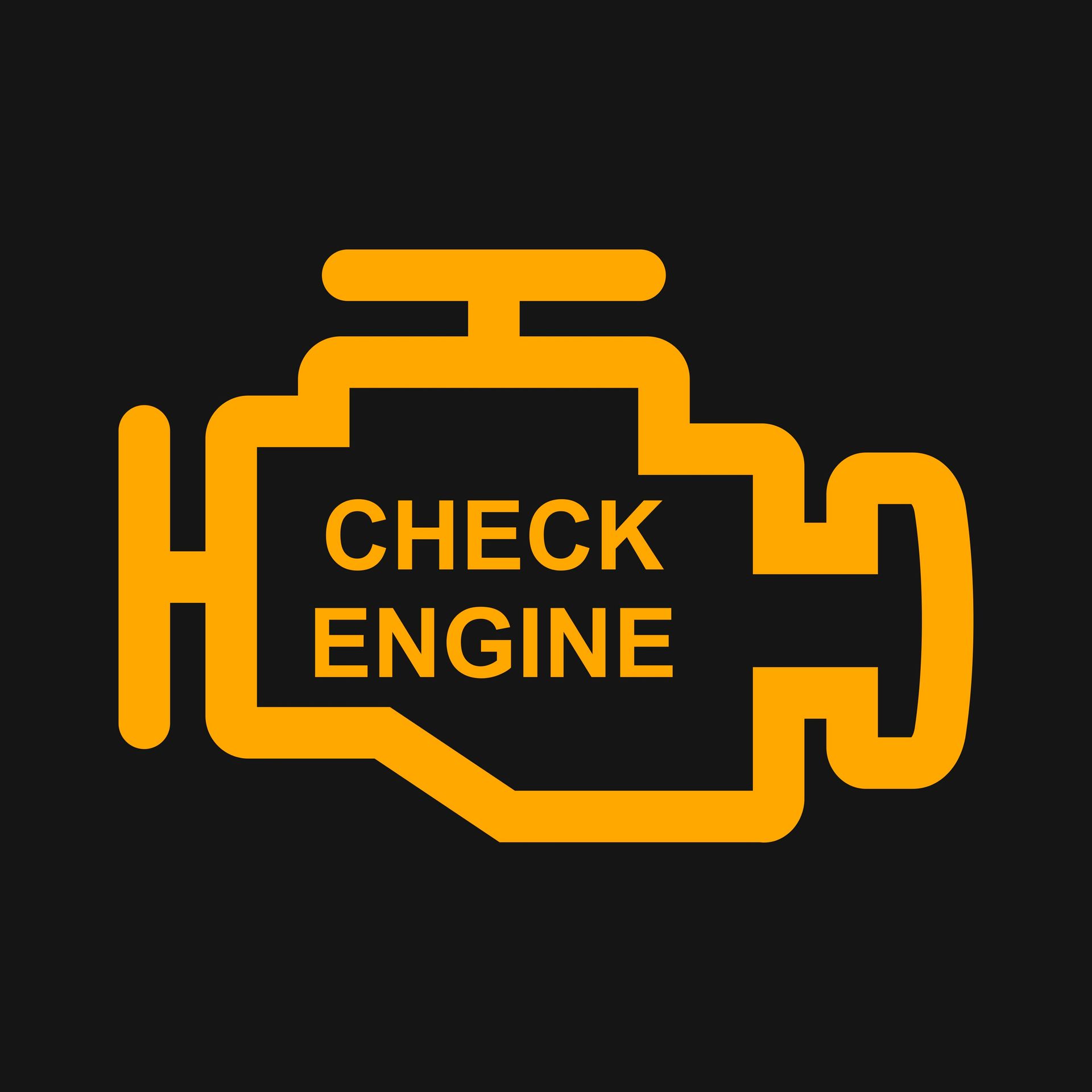
Many drivers think diagnostics matter only when the check engine light comes on. That is a big piece of it, but it is not the whole picture. Some faults store history codes, pending codes, or irregular data without immediately triggering a warning light, especially in the early stages.
This is where a modern scan tool becomes useful. It does not just say a light is on. It helps show what the car has seen, when it saw it, and which system was reacting at the time. That gives a much clearer starting point than waiting for the dashboard to tell the whole story on its own.
The Code Is Not The Same As The Repair
This fact is one of the most misunderstood parts of computer diagnostics. A trouble code does not always name the bad part. It points toward the system where the fault was detected. That still takes experience to interpret correctly.
For example, an oxygen sensor code does not always mean the oxygen sensor itself failed. A vacuum leak, misfire, fuel delivery issue, or exhaust leak can create the same code. Diagnostics are important because they help narrow the search, but good repair still depends on understanding what the data mean rather than replacing parts too quickly.
Modern Systems Are More Connected Than Drivers Realize
Today’s vehicles tie many systems together. Engine controls, transmission operation, emissions equipment, battery management, steering support, safety systems, and body electronics all share information. One fault can cause symptoms elsewhere, which is why newer vehicles can seem confusing when a single issue starts affecting several functions.
That is another reason diagnostics are more important than ever. They help trace the problem's path through the systems involved, rather than focusing only on the symptom the driver noticed first. Without that process, it is easy to waste time and money chasing the wrong repair.
Why Diagnostics Save Time And Money
Drivers sometimes hear the word 'diagnostics' and think it sounds like an extra, unnecessary step. In reality, it is the step that helps avoid extra parts, extra labor, and extra frustration. A car with a warning light, rough running, charging issue, or odd shifting behavior needs more than a guess and a quick reset.
A good diagnostic process helps answer the real question: what is actually causing the problem? That is what keeps a simple issue from turning into a longer repair history full of parts that never needed to be replaced. Regular maintenance helps reduce surprises, but when a problem does show up, the right data gives the repair a much better chance of being right the first time.
Get Computer Diagnostics In Hope Mills, NC, With Cains Auto Shop
If your vehicle has a warning light, strange electrical behavior, rough performance, or a problem that doesn't seem obvious yet, Cains Auto Shop in Hope Mills, NC, can use computer diagnostics and a thorough inspection to track down the cause before it gets worse.
Bring it in while the car is still giving clues, rather than waiting until the problem becomes impossible to ignore.