Weather can make a perfectly normal car feel a little strange. One day it starts quickly, brakes cleanly, and drives quietly. The next day, after rain, heat, cold, or humidity rolls in, it feels different enough to make you wonder what changed overnight.
Sometimes the answer is simple. Rubber stiffens, fluids thicken, moisture gets into places it should not, and tires react to temperature swings. Other times, the weather exposes a problem that was already starting. A car does not always break because of the weather, but the weather can make weak parts easier to notice.
Cold Mornings Can Make Starts Feel Rougher
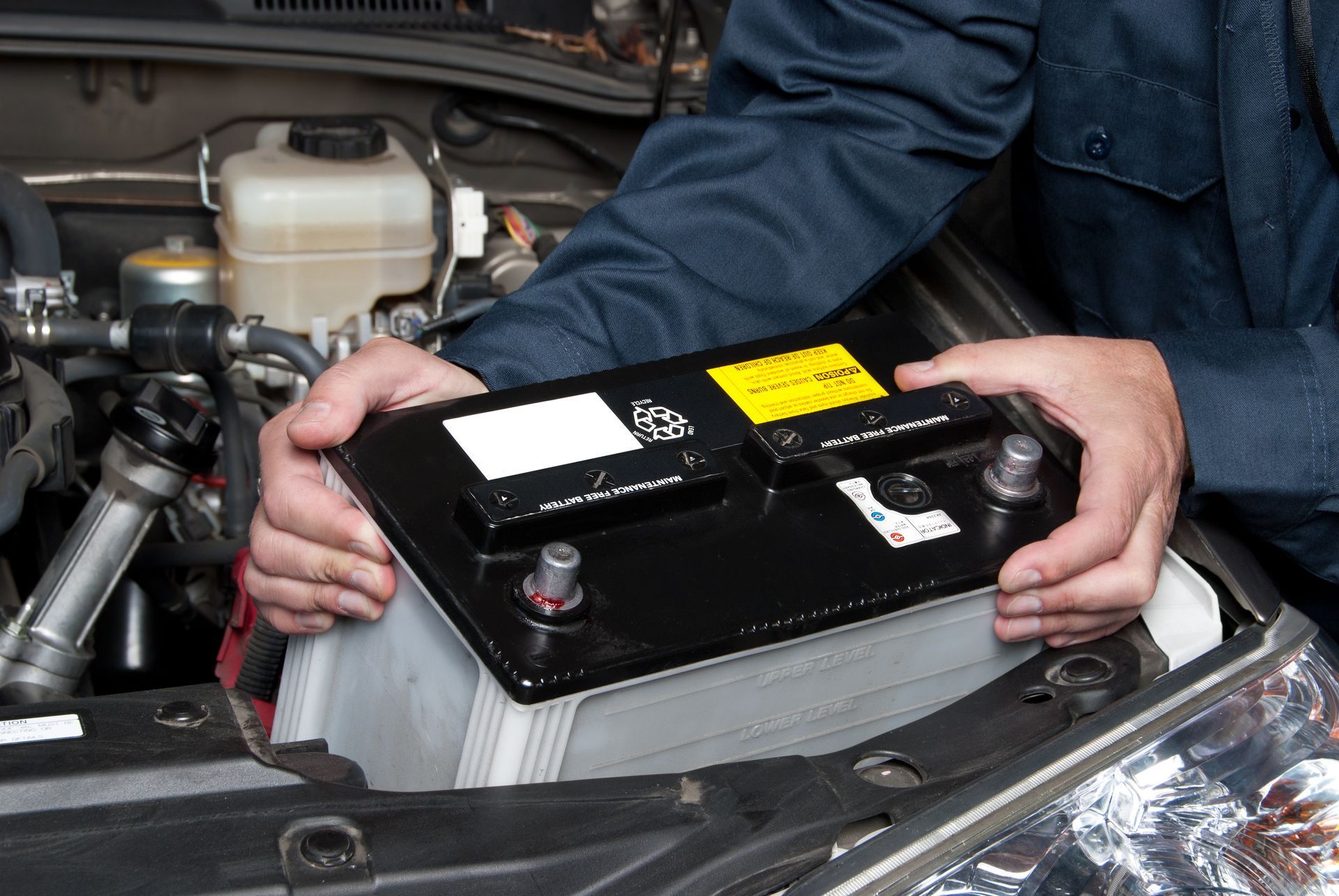
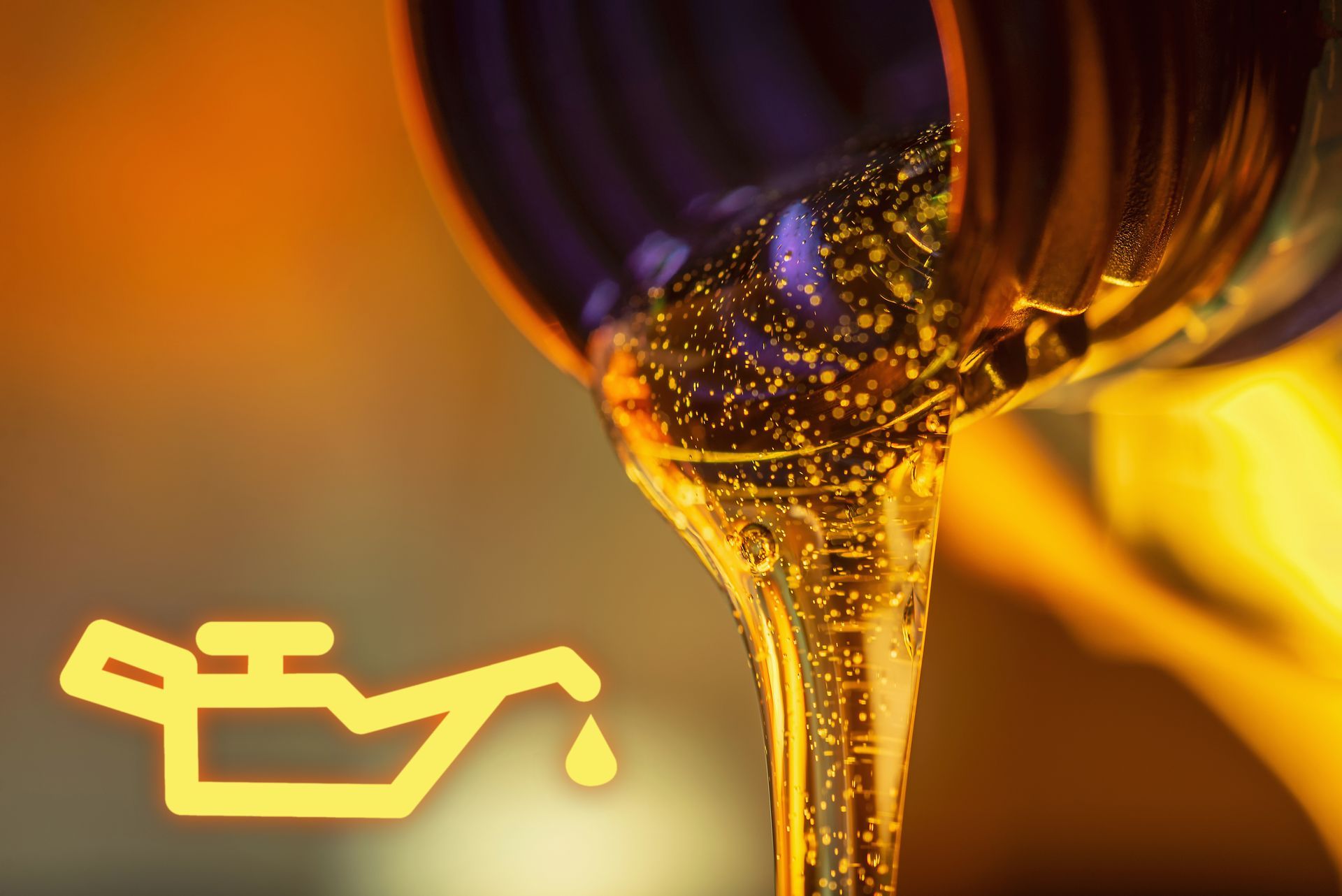
Cooler mornings can make an engine work harder at startup. Oil is thicker when cold, the battery has less available power, and fuel mixture adjustments change while the engine warms. A healthy vehicle should still start without much drama, but a weak battery, worn spark plugs, dirty throttle body, or old oil can make the first few minutes feel rough.
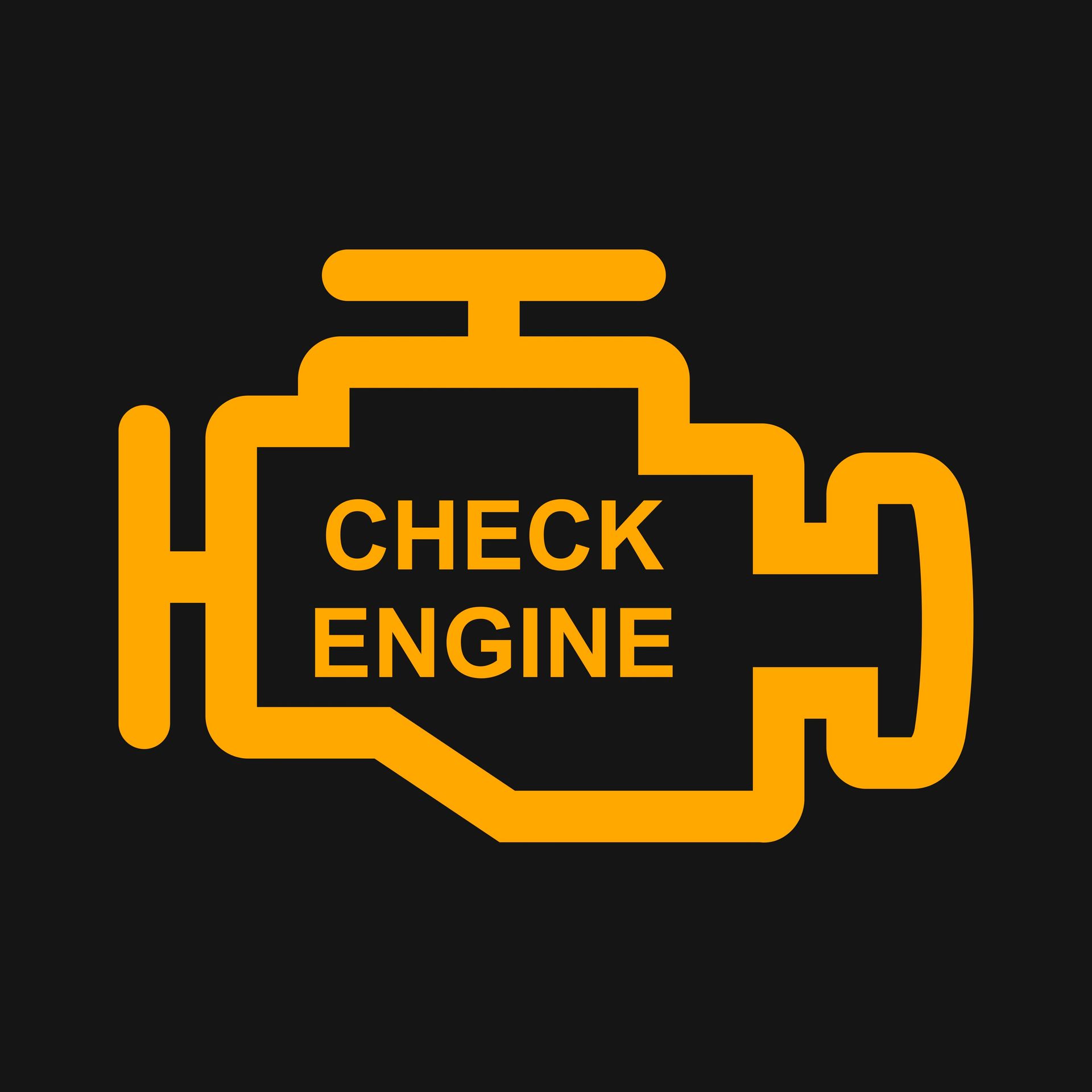
You might notice slower cranking, a brief shake, or a higher idle after startup. Some of that can be normal for a short time. If the engine struggles, stalls, or the check engine light comes on, the weather may be revealing a starting or engine performance problem that needs attention.
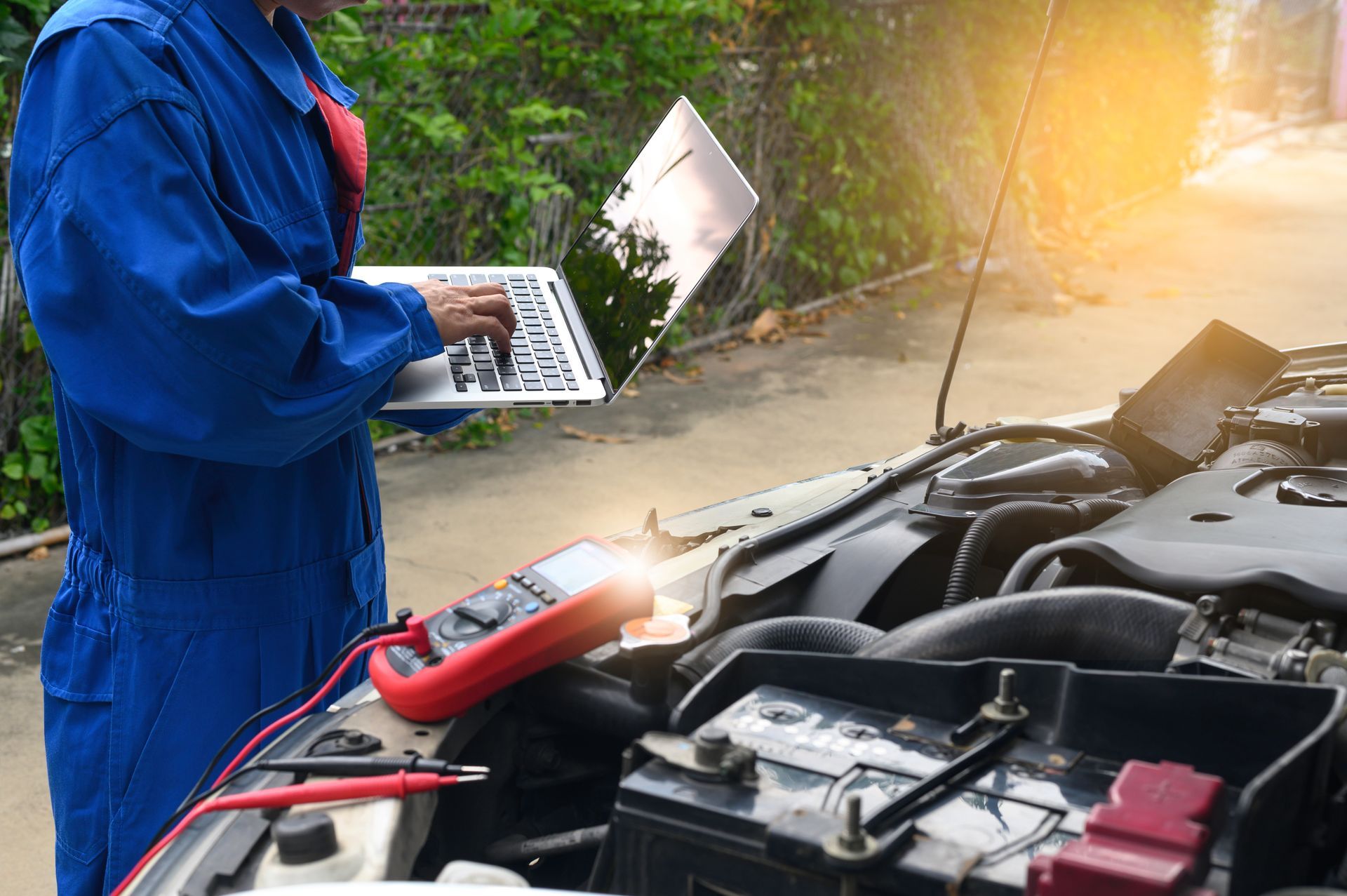
Heat Can Expose Battery And Cooling System Weakness
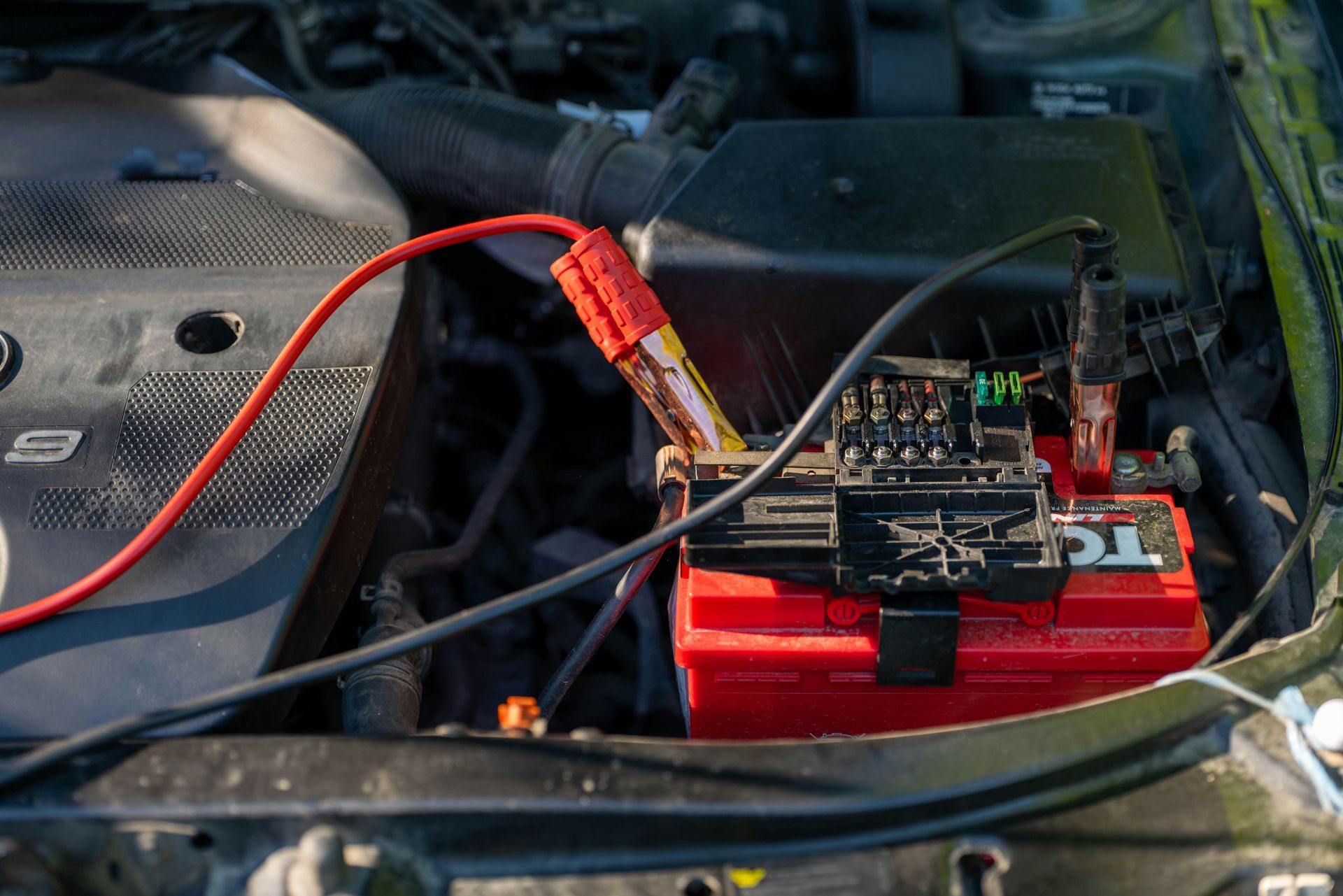
Hot weather is hard on batteries, even though many drivers think battery trouble belongs to winter. Heat speeds up internal wear and can shorten battery life. A battery that seemed fine in spring may start cranking slowly once under-hood temperatures climb.
Heat also puts the cooling system under greater strain. Coolant, radiator fans, hoses, the thermostat, water pump, and radiator all have to keep the engine temperature under control. A small coolant leak or weak fan can show up during traffic, long idling, or A/C use. If the temperature gauge rises higher than normal, do not keep testing it on the road.
Rain Can Change Braking And Steering Feel
Rain changes how tires grip the road, but it can also make existing tire or brake problems more obvious. Worn tread, old tires, low tire pressure, or poor alignment can make the vehicle feel nervous in wet weather. The steering may feel lighter, the car may pull, or the braking distance may feel longer.
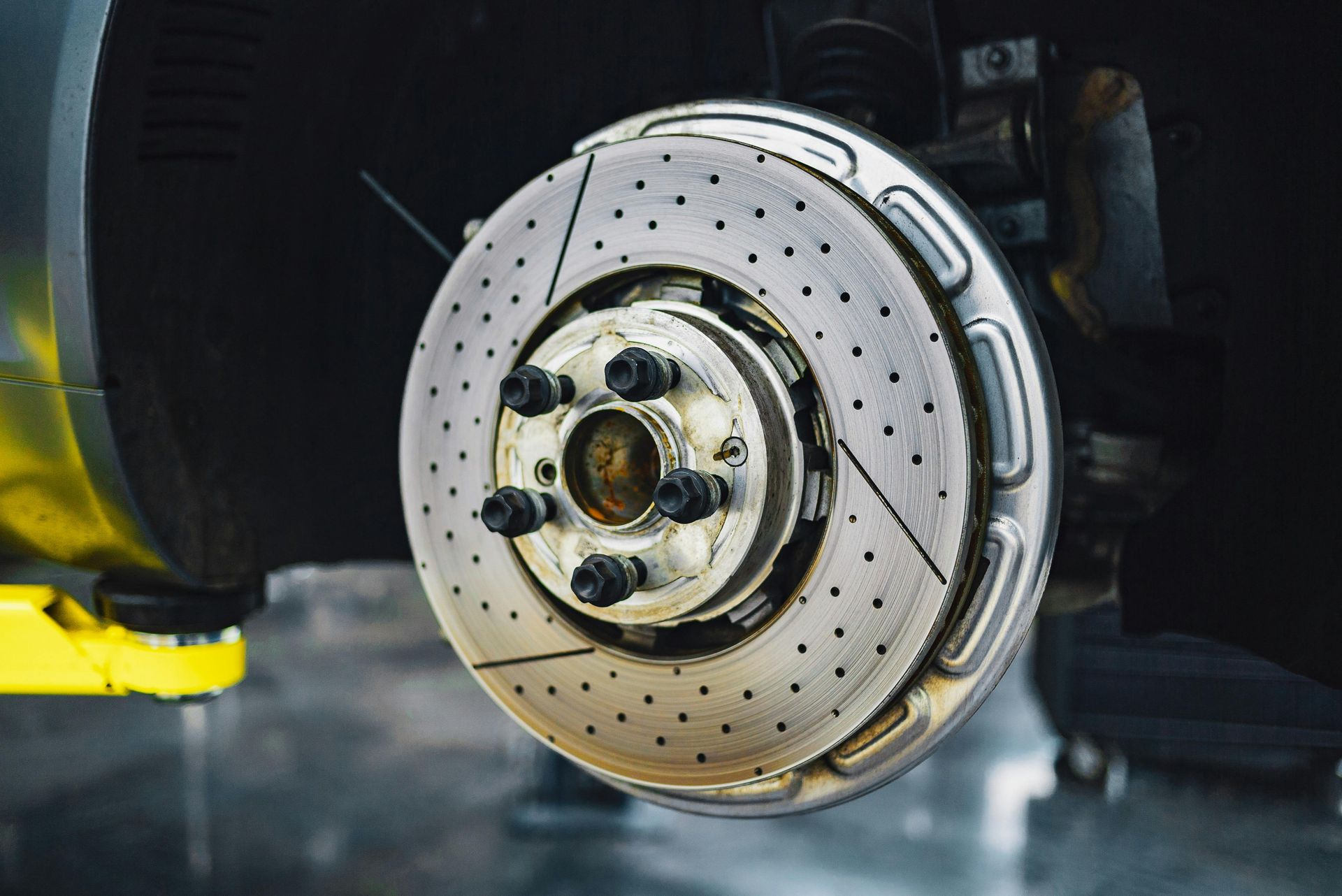
Brakes can also act differently after rain. Light surface rust on rotors can cause a brief scraping sound during the first few stops. That usually clears quickly. Grinding, pulling, shaking, or a pedal that feels different should not be blamed on rain alone. Those symptoms deserve a closer look.
Humidity Can Create Strange Electrical Symptoms
Moisture and electrical systems do not get along well. High humidity can affect aging ignition parts, corroded connectors, weak grounds, cracked wiring insulation, and sensors. The result can be a rough start, a misfire, a warning light, flickering, or an accessory that acts strangely.
Older spark plug wires and ignition coils can be especially sensitive to damp conditions. A car that runs fine on dry days but stumbles after rain may have an ignition or electrical issue. Regular maintenance helps catch worn ignition parts and corroded connections before damp weather turns them into a bigger headache.
Temperature Swings Affect Tire Pressure
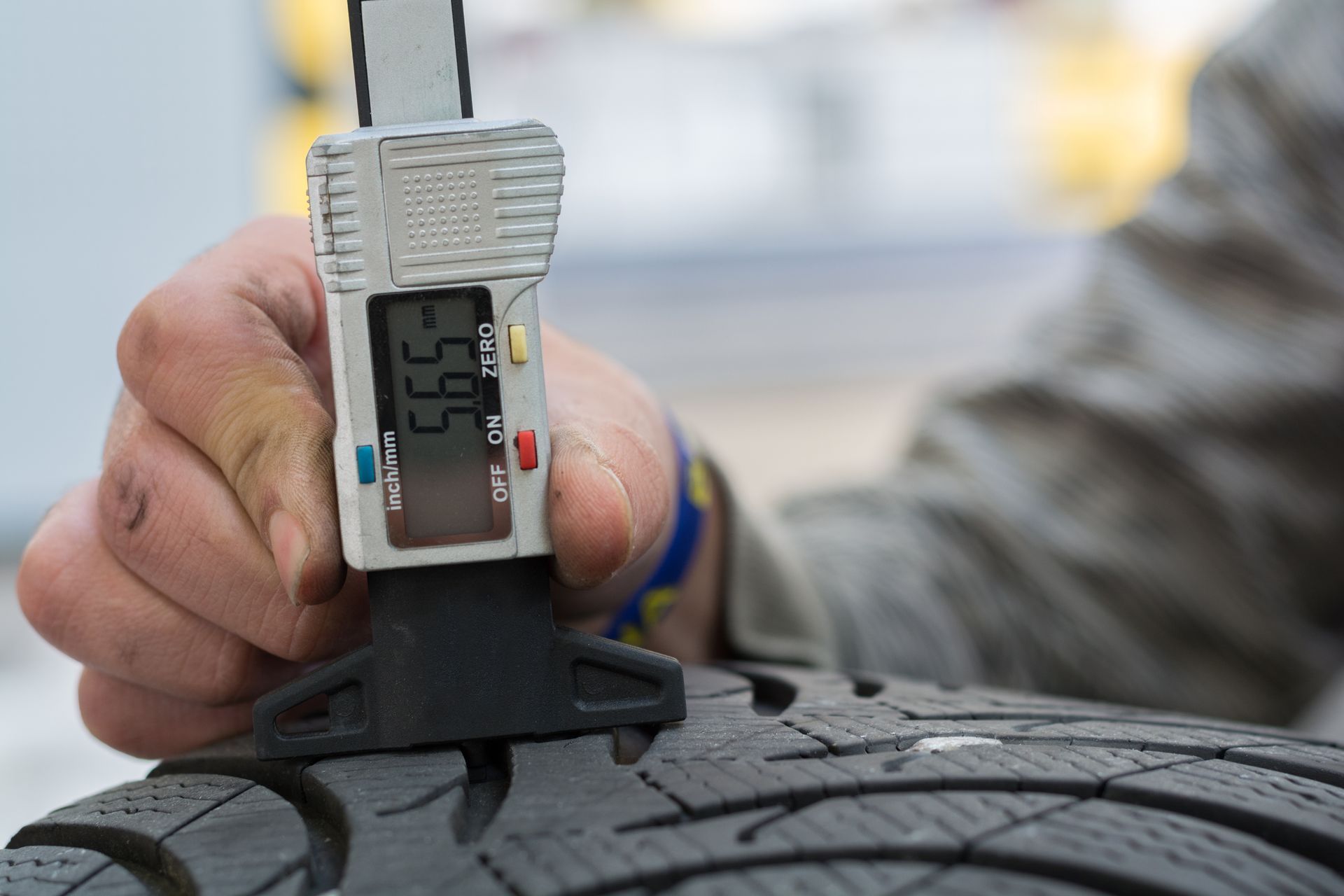
Tire pressure changes with the weather. When temperatures drop, pressure usually drops too. When temperatures rise, pressure can increase. That is why a tire pressure light may appear after a chilly night, even if the tire did not suddenly pick up a nail.
Still, the warning should not be ignored. Low pressure affects braking, fuel economy, tire wear, and handling. If one tire keeps losing air faster than the others, there may be a puncture, leaking valve stem, rim leak, or bead seal issue. Check pressure when the tires are cold and use the vehicle’s recommended pressure, not the number on the tire sidewall.
Weather Can Make Belts And Rubber Parts Noisier
Belts, hoses, bushings, mounts, and seals all react to temperature. Cold can make rubber firmer. Heat can soften, swell, or make old rubber more likely to crack. Rain can make a worn belt squeal, especially if the belt, pulley, or tensioner is already weak.
You might hear chirping at startup, squeaking over bumps, or groaning from suspension parts after weather changes. One occasional sound may not mean a major repair is waiting, but repeated noise is worth checking. Rubber parts age slowly, and weather can make that wear more noticeable.
Why Weather-Related Symptoms Should Be Checked
The tricky thing about weather-related car symptoms is that they can come and go. The car acts up in the rain, then behaves the next day. It starts poorly during a cold morning, then seems fine in the afternoon. That does not mean the concern disappeared.
A careful inspection can check the battery, charging system, cooling system, tires, brakes, belts, hoses, ignition parts, fluids, and stored warning light codes. The goal is to find out whether the weather caused a temporary change or exposed a weak part that is ready to fail.
Get Weather-Related Auto Repair In Hope Mills, NC, With Cains Auto Shop
If your vehicle starts, stops, steers, cools, or drives differently when the weather changes, Cains Auto Shop in Hope Mills, NC, can help find the cause.
For clear testing and practical repairs before a strange weather-related symptom gets worse,
contact us to schedule an appointment.