The battery test says good, but the engine still turns over reluctantly on a chilly morning. That sounds contradictory, especially when the battery isn't very old. You might already be considering a starter because the battery test has apparently cleared it.
Before going farther, it's worth reading what that test actually evaluated. A battery can perform reasonably against the rating printed on its own label while that rating is below what the vehicle requires. Condition and suitability are separate questions, and both belong in a starting-system diagnosis.
A Passing Test Isn't an Application Check
Many electronic battery testers ask for the battery type, rating standard, and rated starting capacity before testing. The result is interpreted against the values you entered. A small battery tested as a small battery can pass without demonstrating that it meets the needs of a larger engine or a more demanding electrical system.
At our shop, we compare the installed battery with the vehicle's specified application before relying on a pass or fail. An incorrect rating entered into the tester also changes the result's usefulness. The printed report should identify what was tested, not simply present a green check mark with no battery information behind it.
Starting Capacity and Stored Energy Aren't Identical
Cold cranking amps describe a battery's ability to supply starting current under standardized cold conditions. Reserve capacity and amp-hour ratings describe different aspects of stored energy. A battery can have enough short-term output for an easy start yet leave little reserve for repeated attempts or electrical use while parked.
The engine determines how much current the starter draws; installing a correctly specified battery with more available starting capacity doesn't force extra current through it. But choosing solely by the largest advertised number isn't helpful either. Battery construction, approved capacity, and compatibility with the vehicle's charging strategy must match the application. Two batteries of similar dimensions can have quite different capabilities.
Cold Weather Exposes a Marginal Match
When temperatures drop, a lead-acid battery has less available output while a cold engine can require more effort to turn. A battery that manages warm afternoon starts might then struggle overnight. Engine size, oil viscosity, and starter condition influence that demand.
Notice whether the engine turns slowly or turns at its normal speed without starting. Those aren't the same complaint. An undersized or weak battery matters more for slow cranking than for an engine that spins briskly but lacks fuel or spark. A cold-weather pattern helps guide testing, but it doesn't make the battery the only possible cause.
Physical Fit Is Only Part of the Selection
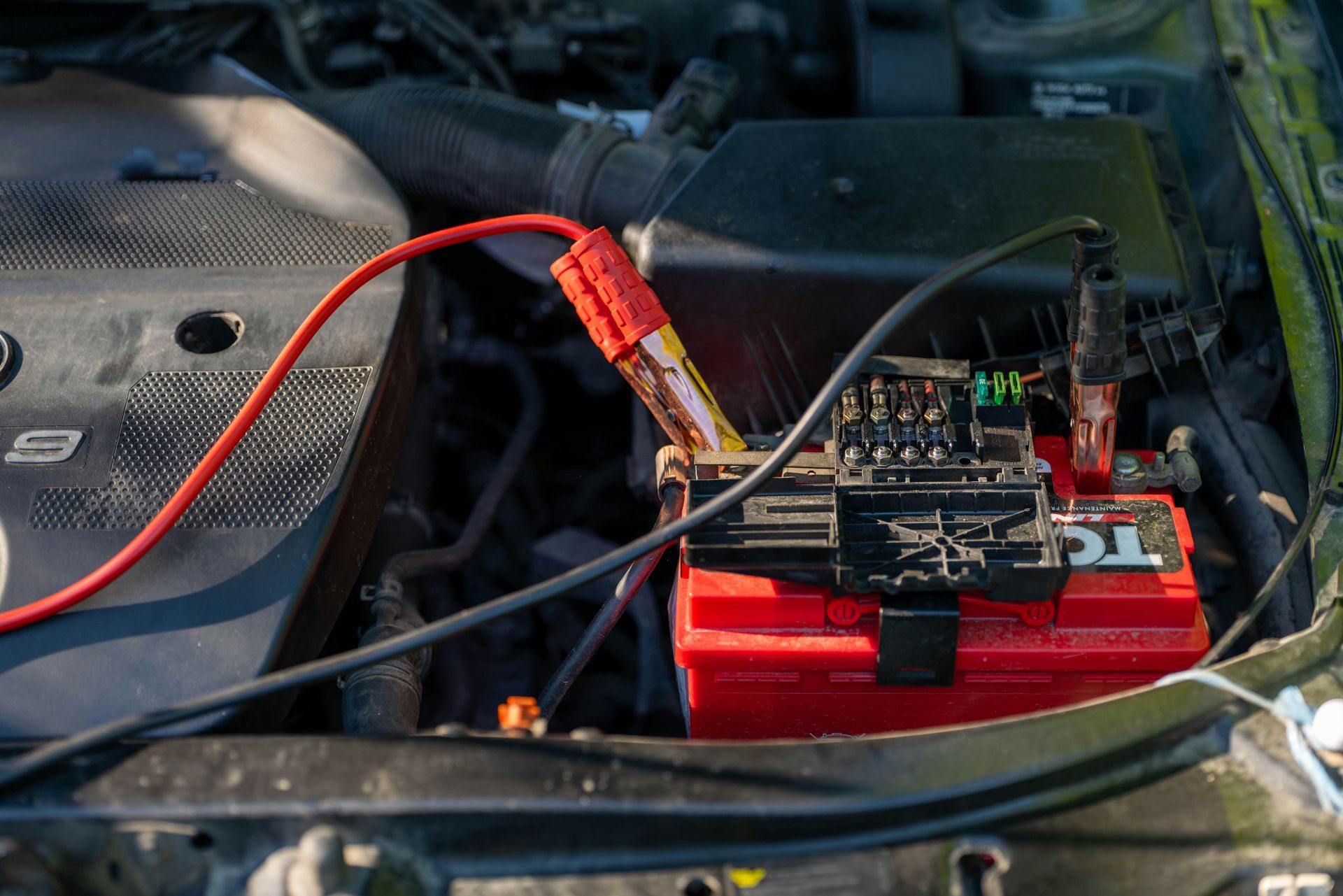
The battery must fit its tray and hold-down securely, with the correct terminal position and clearance. Cables shouldn't be stretched across the case or pulled tight to reach a post. A battery that shifts during braking can damage its case, connections, or nearby wiring regardless of its electrical rating.
The technology must also be appropriate. A vehicle designed around an AGM battery or a specific stop-start application shouldn't receive an unsuitable conventional replacement simply because it fits. Some vehicles require battery registration or a management-system reset after replacement. Install vent connections correctly when specified, especially for batteries mounted inside the vehicle rather than under the hood.
Check the Cables Before Buying More Capacity
A larger battery won't repair resistance between the battery and starter. A loose terminal, corroded cable crimp, or poor engine ground can waste voltage during cranking. The headlights and radio can still operate because they require much less current than the starter. Looking clean from above doesn't establish that a connection carries current properly.
A starting-system inspection should compare battery voltage, starter operation, and voltage drop through both positive and ground paths under load. We also check charging performance so a suitable battery isn't repeatedly left undercharged. Buying additional capacity to hide a bad cable connection leaves the original fault in place and can waste a perfectly serviceable battery.
Replace the Wrong Battery, Not Every Battery That Goes Flat
An incorrect battery deserves correction, but a discharged correct battery needs a different conversation. Leaving an interior light on, repeated short trips, or excessive parked electrical draw can discharge a healthy unit. Recharge it properly before judging its condition when the test procedure requires that step.
Keep the replacement specification and test results with your regular maintenance records. If slow cranking returns, the next diagnosis can start from documented information rather than another assumption. Battery age alone isn't a reason to ignore capacity or vehicle requirements, and one successful jump-start doesn't prove a particular battery is worn out or undersized.
Get Car Battery Testing In Hope Mills, NC, With Cains Auto Shop
Cains Auto Shop in Hope Mills, NC, can compare your battery's specifications with the vehicle's requirements and test the starting circuit. That helps separate an unsuitable battery from a cable or starter problem.
Contact us to schedule battery testing before choosing a replacement based on size alone.