A car that stalls as you slow down or stop at a light may restart immediately and seem normal once it is moving again. That pattern often points toward a problem that becomes most noticeable at idle, when engine speed is low, and the vehicle’s systems must work together to keep combustion stable.
The cause may involve restricted airflow, a fuel delivery concern, a vacuum leak, an electrical problem, or a transmission component that fails to release properly. Because several faults can produce similar symptoms, the conditions surrounding the stall are important. Notice whether it happens with the A/C on, after the engine warms up, during braking, or only when the transmission is in drive.
A Dirty Throttle Body Can Reduce Idle Airflow
The throttle body controls how much air enters the engine. Carbon and oily residue can collect around the throttle plate over time, restricting the small opening used to maintain idle speed. The engine may run adequately while the accelerator is pressed but struggle as the throttle closes during a stop.
You may notice RPM dropping too far, a brief stumble, or shaking before the engine stalls. The problem may become worse when the A/C compressor, headlights, cooling fans, or steering system add load. Some vehicles require an idle relearn after throttle cleaning, so the correct service procedure is important.
Vacuum Leaks Can Make The Mixture Too Lean
The engine computer expects air to enter through measured intake passages. A cracked hose, leaking intake gasket, damaged brake booster line, or failed crankcase ventilation component can allow unmeasured air into the engine. At idle, even a small leak can have a strong effect because overall airflow is already low.
The engine may surge, idle too high, shake, or stall when you release the accelerator. A vacuum leak may change as rubber parts warm and expand, making the symptom intermittent. Smoke testing is often the most effective way to find small leaks that cannot be seen during a visual inspection.
Fuel Delivery Problems Can Appear At Low Speed
A weak fuel pump, restricted filter, dirty injector, or failing pressure regulator can prevent the engine from receiving the correct amount of fuel. The car may hesitate during acceleration, but some fuel concerns become especially noticeable when the engine returns to idle and needs precise delivery.
An injector that sticks or leaks can make one cylinder run too rich or too lean. The engine may stall after a longer drive, take extra time to restart, or produce a strong fuel smell. Fuel pressure and injector operation should be tested before the pump or injectors are replaced.
A Faulty Sensor Can Send The Wrong Information
The engine computer depends on sensors to adjust airflow, fuel delivery, and ignition timing as the vehicle slows down. A contaminated mass airflow sensor, inaccurate coolant temperature sensor, weak crankshaft sensor, or faulty throttle position signal can interfere with idle control.
A sensor may provide believable but incorrect data without immediately turning on the check engine light. Possible warning signs include:
- The engine stalls only when fully warmed.
- RPM rises and falls before the stall.
- The car takes longer to restart.
- The problem appears when the A/C is running.
- The engine hesitates before coming to a stop.
- The check engine light appears intermittently.
Live data can show whether a reading freezes, jumps unexpectedly, or does not match actual engine conditions. Wiring, grounds, and connectors should also be checked because damaged circuits can imitate sensor failure.
The Torque Converter Clutch May Stay Applied
An automatic transmission uses a torque converter to transfer engine power while allowing the vehicle to stop with the transmission in gear. At cruising speed, an internal clutch may lock the converter to improve efficiency. That clutch should release as the car slows.
If the torque converter clutch remains applied, the engine can stall in a way that feels similar to stopping a manual transmission without pressing the clutch pedal. The vehicle may shudder during the final few seconds before stopping and restart normally afterward. Solenoid, valve body, wiring, fluid, or internal converter problems may be involved.
Ignition Problems Can Weaken The Engine At Idle
Worn spark plugs, weak ignition coils, damaged wires, or poor electrical connections can make combustion uneven. At higher RPM, the engine may have enough momentum to hide a mild misfire. When speed drops at a traffic light, the weak cylinder becomes easier to feel.
A misfire can cause shaking, hesitation, poor fuel economy, and eventual stalling. The check engine light may remain off if the misfire is intermittent or below the computer’s warning threshold. Ignition testing and misfire data can identify the affected cylinder before unburned fuel damages the catalytic converter.
Low Charging Voltage Can Shut The Engine Down
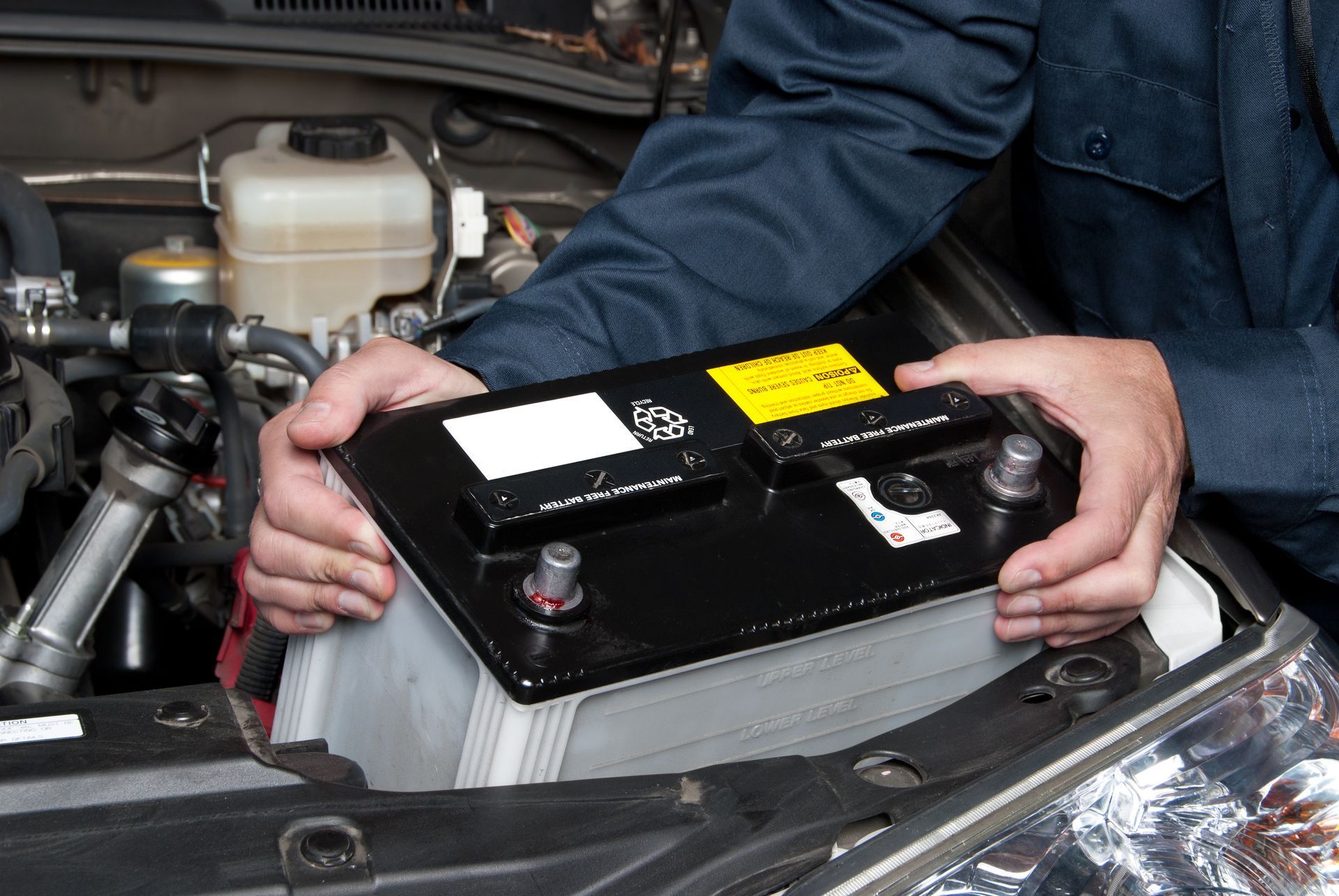
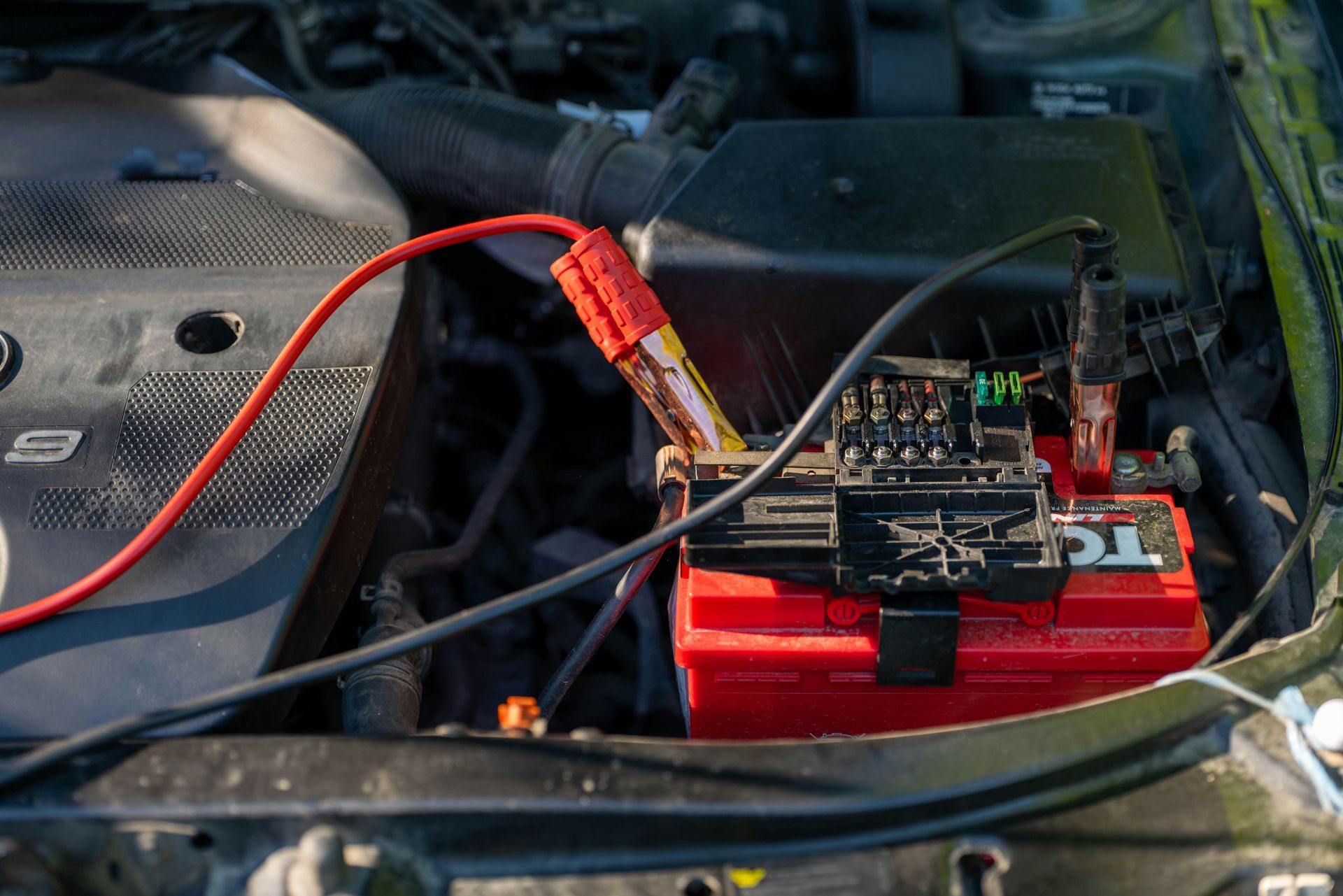
The alternator supplies electricity while the engine is running. At idle, alternator output is lower than it is at cruising speed. A weak alternator, worn belt, corroded cable, failing battery, or poor ground may allow voltage to drop too far when the blower motor, cooling fans, lights, and other accessories are operating.
The dashboard may flicker, warning lights may appear, or the blower may slow just before the engine stalls. Battery and charging system testing should include the cables, terminals, belt drive, and voltage under electrical load rather than focusing on the battery alone.
How Technicians Diagnose A Stalling Problem
Diagnosis starts by recreating the stall and noting engine temperature, RPM, electrical load, transmission gear, and driving conditions. A technician may monitor fuel trims, airflow, sensor signals, misfire counts, charging voltage, and torque converter clutch commands while the vehicle slows.
The inspection may also include smoke testing, fuel pressure checks, throttle body condition, ignition testing, transmission fluid, and regular maintenance history. Finding the actual cause prevents unrelated sensors or fuel parts from being replaced based only on similar symptoms.
Get Stalling Diagnostics In Hope Mills, NC, With Cains Auto Shop
If your car shakes, loses RPM, or stalls when you stop, Cains Auto Shop in Hope Mills, NC, can evaluate the intake, fuel, ignition, charging, sensor, and transmission systems.